Diabetes Technology Meeting
Conference, October 28, 2025 – October 30, 2025
View event
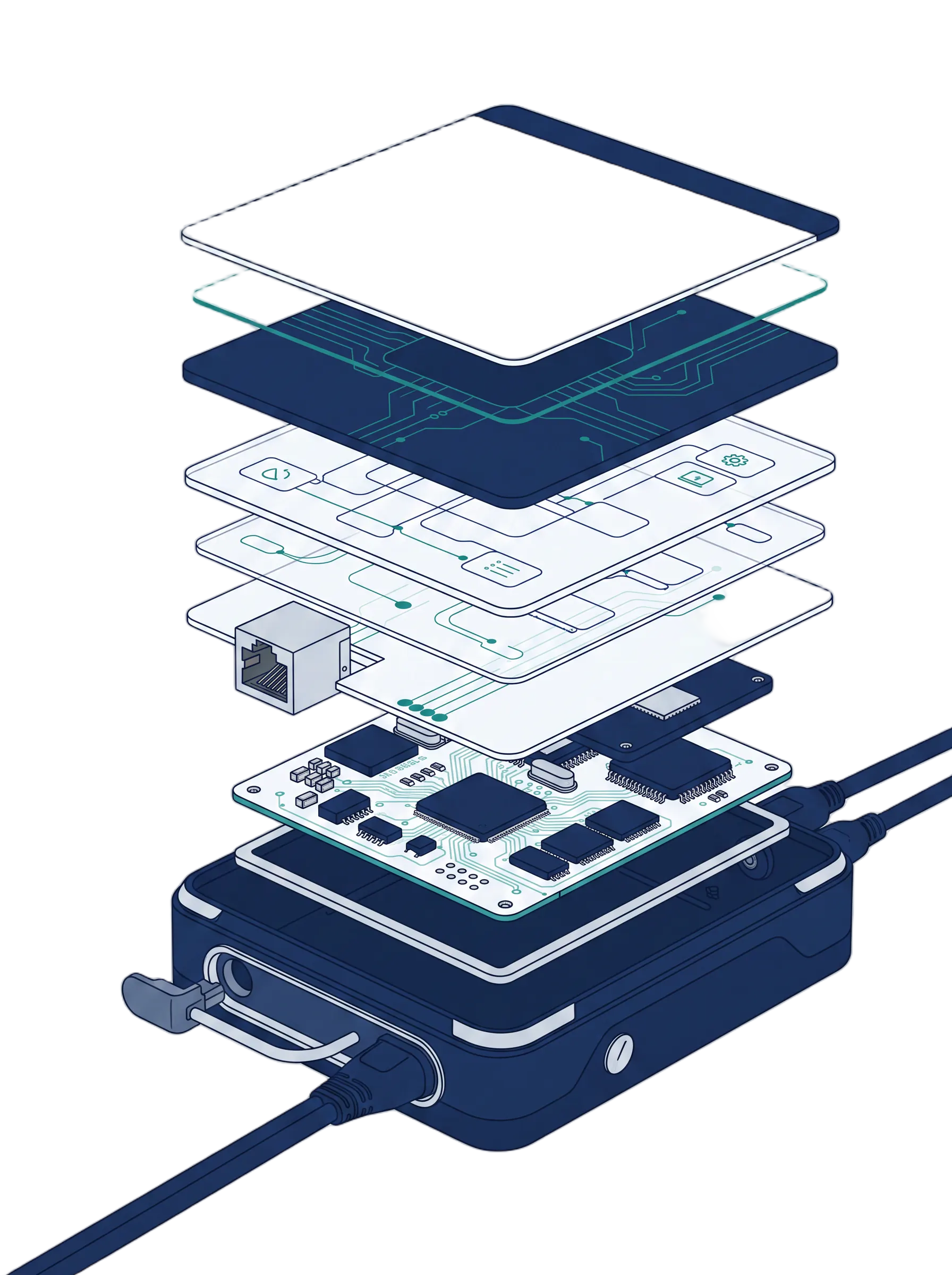
Pumps, CGMs and dosing apps work as one system, so each one has to authenticate the others.
Every connection is a path in, and FDA expects you to show how it's protected.
Mobile apps that inform or control dosing bring their own security requirements.
Vulnerability reports keep coming once the device is on the market.
CloudData sharing and remote access
Mobile appDisplays and dosing decisions
Bluetooth pairingHow devices trust each other
Sensor & pumpReadings in, insulin out

Close the gaps FDA would flag before you file.
Clear FDA reviewCryptographic certificates bound to each device, so connected devices can authenticate one another.
Data securityMonitoring and vulnerability management after launch.
Vulnerability managementMedcrypt has worked with six diabetes care technology providers, including leading insulin pump and CGM makers.
Know where your diabetes device submission stands, starting with a 1‑hour review.
Threat model, SBOM, architecture views and testing, sized to your device.
Former FDA reviewers go through the package before you file.
If FDA sends questions, we typically turn around a full cybersecurity response in about 10 days.
Conference, October 28, 2025 – October 30, 2025
View eventConference, November 7, 2024 – November 8, 2024
View eventSection 524B applies to cyber devices: devices that include software validated, installed, or authorized by the manufacturer, have the ability to connect to the internet, and could be vulnerable to cybersecurity threats. The test is whether the device is capable of connecting, not only whether its intended use involves connecting.
Evidence that each component authenticates the others, that wireless and app connections are protected, and a plan for handling vulnerabilities after launch.
Yes: monitoring, vulnerability management and responding to vulnerability disclosures.